WhatsApp keeps adding privacy features every few months now, but this new one feels different.
According to recent beta reports, WhatsApp is testing a feature where messages can disappear right after the receiver reads them. Not after 24 hours. Not after 7 days. Literally after opening and reading the message itself.
That changes chat behavior completely.
The feature is still in beta testing, but people already started talking about it because honestly it sounds both useful and slightly stressful. Imagine opening a message once and knowing it’s gone forever after that. No rereading. No scrolling back later. No “wait what did she say yesterday?” moments.
And this comes at a time when messaging apps are becoming more privacy-focused than ever. Telegram keeps adding secret chat controls. Signal built its whole identity around secure conversations. Apple is pushing private communication features harder inside iMessage too.
So WhatsApp clearly doesn’t want to stay behind.
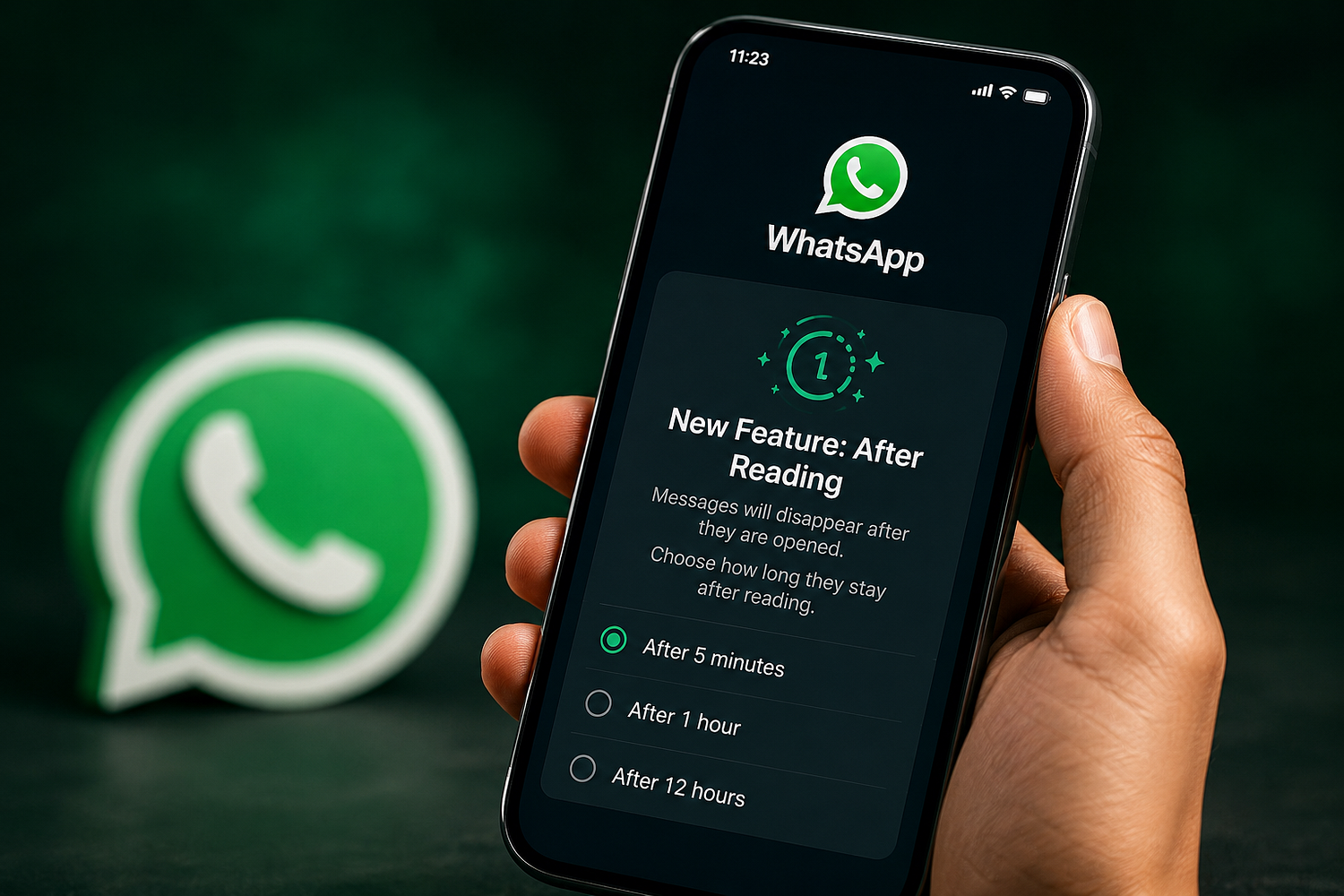
What The New “After Reading” Feature Actually Does
The feature was spotted in recent WhatsApp beta builds for Android and iOS. Reports from TechBuild Africa and Sammy Fans showed WhatsApp testing a new disappearing mode called “After Reading.”
Here’s how it works.
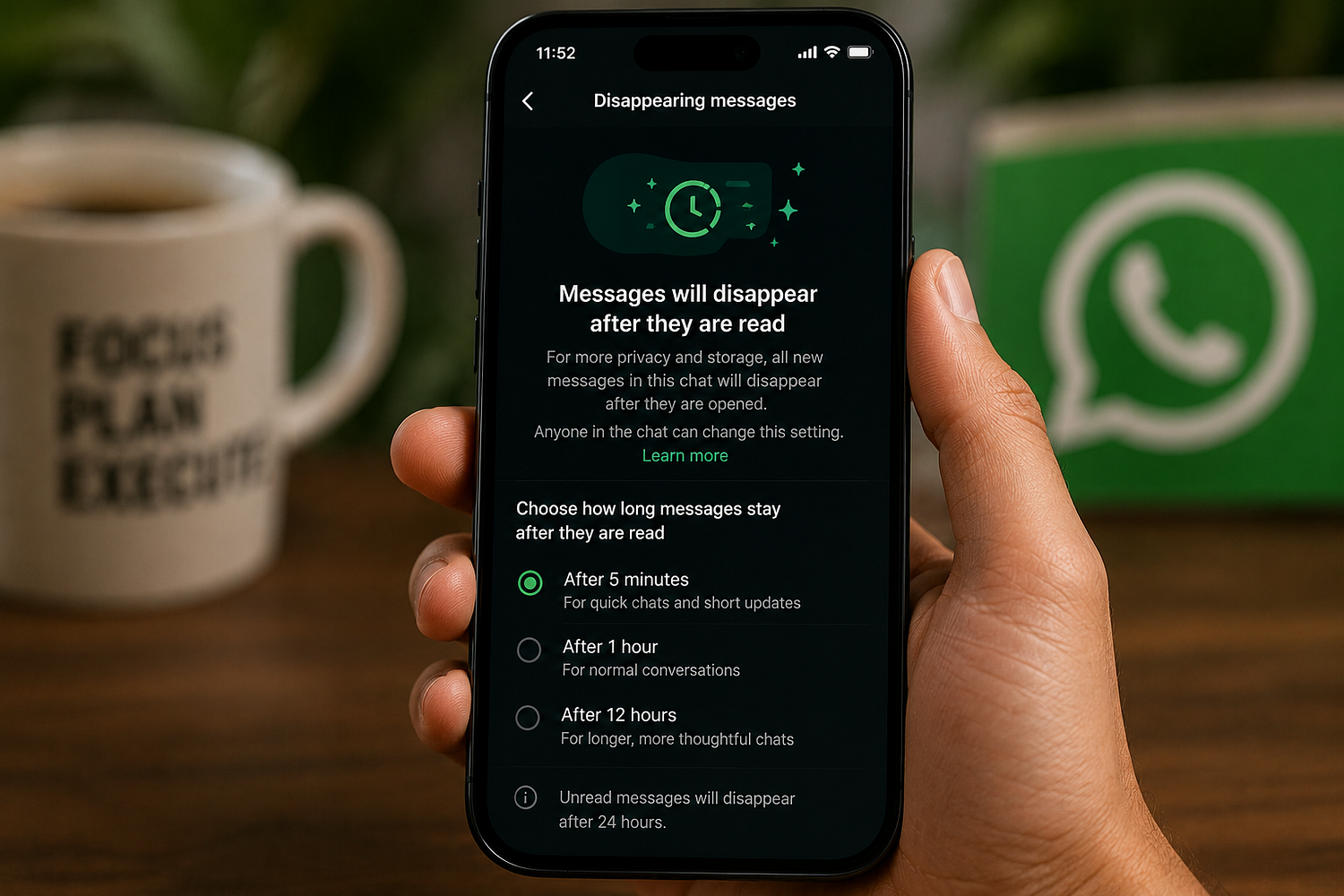
Once sender enables the feature, the message disappears after the recipient opens and reads it. Some beta versions also showed extra timer options like:
- 5 minutes
- 1 hour
- 12 hours
- after reading
Unread messages may still auto-delete after 24 hours if receiver never opens them.
That part is interesting because it changes how urgency works inside chats.
Right now people leave messages unread for days sometimes. But if chats can vanish automatically before opening, users may start checking messages faster. Or panic faster. Probably both.
WhatsApp already has “View Once” media for photos and videos, but this feels more aggressive because entire text conversations can disappear almost immediately.
And honestly, many users will love that.
Why This Feature Feels More Serious Than Old Disappearing Messages
Regular disappearing messages already exist on WhatsApp. Those delete chats after 24 hours, 7 days, or 90 days.
This new version changes one important thing.
The timer depends on interaction.
That makes conversations feel temporary in a very different way. Almost like speaking face-to-face instead of writing permanent records.
A college student from Hyderabad posted on Reddit last week saying this feature would save him from “late-night overthinking because chats literally won’t exist after reading.” Sounds funny, but many people probably relate to that.
There’s also another side.
People screenshot everything now.
Instagram DMs, Snapchat messages, Telegram chats, WhatsApp voice notes. Nothing feels temporary anymore because somebody can always save it.
This feature tries to bring back that feeling of fleeting conversations again, even if only partially.
Of course screenshots can still happen. WhatsApp cannot stop that fully.
But psychological difference matters.
People type differently when they know messages disappear immediately after being seen.
The Social Effects Could Get Weird Very Fast
This is where things become interesting.
Imagine somebody sends long emotional message. You read it once. It disappears instantly. Later you try remembering exact wording and suddenly you can’t.
Arguments may become messier.
Flirting may become more casual.
Group chats could become absolute chaos.
And yes, people will definitely start saying:
“Why did you open it if you weren’t ready?”
I can already see that happening.
A friend of mine tested similar disappearing chat systems on Signal last year and said conversations became more spontaneous but also more impulsive. People replied faster. Thought less before typing. Sometimes that made chats feel natural. Sometimes it created unnecessary confusion.
Actually, older internet users might remember this feeling from early Yahoo Messenger or MSN days. Conversations back then felt temporary because nobody expected every chat to become permanent archive.
Modern messaging apps slowly turned into storage systems instead of conversations.
This feature pushes back against that slightly.
WhatsApp Is Clearly Leaning Hard Into Privacy Right Now
Meta-owned entity ”WhatsApp” has spent last two years aggressively building privacy-focused features.
Recent additions include:
- Chat lock
- Secret code access
- View Once media
- Encrypted backups
- IP protection in calls
- Silence unknown callers
- Temporary voice messages
The company knows younger users care more about control now.
Nobody wants every conversation sitting forever inside cloud backups and old devices. Especially after data leaks, hacked screenshots, and AI tools becoming smarter at analyzing old chats.
There’s also growing fear around AI-assisted message summaries and chat indexing. Meta AI integration inside WhatsApp keeps expanding in 2026, and some users already feel uncomfortable about years of conversations sitting permanently inside apps.
Temporary communication suddenly feels attractive again.
And honestly, WhatsApp probably noticed users moving sensitive chats to Signal or Telegram secret chats. This feature looks like direct response to that shift.
But There’s One Big Problem
People will misunderstand how private this actually is.
Messages disappearing after reading does not mean messages become impossible to save.
Users can still:
- screenshot chats
- record screen
- copy text quickly
- use linked devices
- save media manually
So this feature helps reduce long-term chat history. It does not create magical invisible communication.
That distinction matters a lot.
I spent almost twenty minutes reading beta discussions because some users thought WhatsApp found way to block screenshots completely. Not happening.
Apps tried that before. Android itself makes it difficult across different phones and operating systems.
So people should treat this as privacy improvement, not spy movie technology.
The Feature Could Change Relationship Dynamics Too
This part sounds dramatic but it’s probably true.
People reread conversations constantly now.
Old arguments. Old compliments. Old breakups. Random “good night” texts from months ago. Messaging apps accidentally turned everyone into digital archivists.
If messages disappear after reading, that habit breaks.
Some people may feel relieved.
Others may hate losing emotional history.
One beta tester on X wrote that the feature made chats feel “more human and less performative.” That sentence stayed in my head because it kind of explains whole thing properly.
Right now many people type messages knowing they might get reread years later. Temporary communication removes some of that pressure.
At same time, trust issues could increase too.
People may wonder why someone specifically chose “After Reading” mode instead of normal chats.
And relationship arguments about screenshots are definitely coming. No doubt there.
WhatsApp Still Has Questions To Answer
There is another issue people are already discussing in beta forums. What happens if someone reads message from notification preview itself.
Some Android phones show full message previews on lock screen. If user reads message there without opening chat fully, should message disappear or stay there until app opens properly. WhatsApp has not explained this clearly yet.
And smartwatch notifications create another strange problem.
Some watches mirror full WhatsApp messages instantly. So technically somebody can read message from watch without touching phone. Beta users are already asking whether that counts as After Reading or not.
These sound like small details but they matter because feature depends fully on timing and visibility.
There is also question around quoted replies.
Imagine someone sends disappearing message. Another person replies to it before deletion. Will quoted text remain visible after original disappears. Earlier disappearing message systems on some apps behaved inconsistently with this.
WhatsApp still has not fully explained that behavior.
Another thing people will probably notice is anxiety around unread messages.
Normally users ignore chats for hours or even days. But if unread messages start disappearing after 24 hours automatically, some people may begin checking WhatsApp more often just to avoid missing things. Kind of ironic honestly. A privacy feature might increase screen checking habits for some users instead of reducing them.
One Reddit thread from May 2026 already had users arguing about this. Some loved temporary communication. Others said they hated pressure of losing messages quickly.
Both reactions make sense.
And businesses may react differently too.
Customer support chats obviously cannot disappear instantly because users need order details, addresses, invoices, tracking links, and payment confirmations. So this feature will probably stay focused on personal communication first.
Still, younger users will likely adopt it very fast if public rollout happens later this year.
Snapchat basically built its identity around temporary communication years ago. Instagram added vanish mode later. Now WhatsApp is moving deeper into same direction.
Messaging apps are slowly becoming less permanent again.
How Users Will Probably Use This Feature In Real Life
Most people will not use this feature for every chat.
That would become annoying quickly.
Instead it will probably become selective feature. Users may turn it on for:
- private conversations
- relationship chats
- temporary plans
- emotional discussions
- personal photos
- random midnight conversations
And they will avoid using it for:
- office communication
- college notes
- banking details
- long term projects
- medical records
- family documents
One thing feels obvious already.
This feature is built more around emotion than storage.
Regular disappearing messages mostly solve clutter problems. Messages deleting after reading solve emotional problems too. Overthinking old chats. Rereading arguments repeatedly. Obsessively checking wording from past conversations.
Not everybody does that obviously, but enough people do.
A university student from Chennai wrote on X recently that disappearing after reading would probably save him from checking same chat fifty times after argument. That sounds exaggerated until you realize many people already behave exactly like that.
Messaging apps quietly changed human behavior over last decade.
Earlier conversations disappeared naturally with time. Now everything stays searchable forever.
So people revisit emotions repeatedly because technology allows it.
This feature changes that pattern slightly.
The Feature Still Feels Experimental
WhatsApp beta features sometimes change heavily before public release.
Some tools appear in beta and disappear completely later. Others launch globally after months with different names and slightly different behavior. So there is chance this feature evolves further before stable rollout.
Beta testers also reported that some interface elements still look unfinished in current builds. Certain timer options appeared differently across Android and iPhone screenshots. That usually means development is still active.
And honestly, WhatsApp probably wants to avoid confusion during rollout because temporary messaging features already confuse many users.
People still mix up:
- disappearing messages
- view once media
- chat lock
- archived chats
- deleted messages
- backup deletion
Adding another layer around After Reading could make things even more messy initially.
My cousin once archived family group accidentally and thought everybody removed him from chat. So imagine what happens when messages start deleting themselves immediately after opening.
Customer support teams are going to have long weeks after rollout.
The feature is still in beta testing, so some details may change before public release.
There are still open questions around:
- backup behavior
- linked device syncing
- notification previews
- disappearing quoted replies
- group admin controls
- accessibility concerns
Desktop support may also become messy initially. WhatsApp Web already behaves slightly differently with some disappearing message features.
And older users could get confused fast.
My uncle once thought regular disappearing messages meant his phone got hacked because family chat suddenly looked empty after one week. Whole family became accidental customer support that evening.
So if “After Reading” rolls out widely, WhatsApp will need clearer explanations inside app itself.
Otherwise confusion levels will be wild.
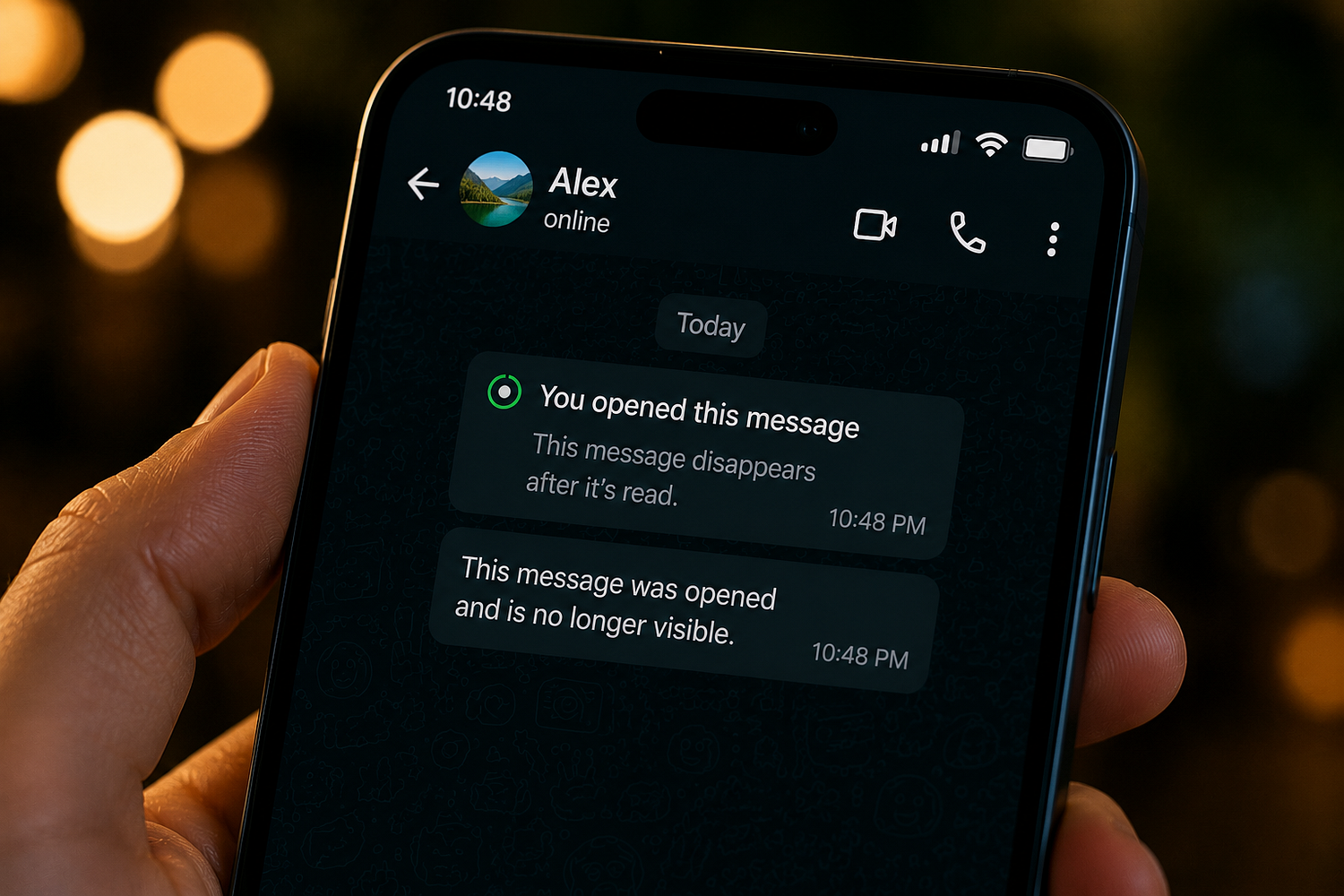
Messaging Apps Are Starting To Feel Temporary Again
That’s probably biggest thing this feature shows.
Apps are slowly moving away from permanent communication.
For years the internet trained people to save everything forever. Every chat. Every photo. Every voice note. Every random conversation at 2am.
Now users are getting tired of carrying entire digital history inside phones.
WhatsApp’s new “After Reading” feature taps directly into that feeling.
Not every message needs permanent storage.
Some conversations are meant to exist once and disappear. Quick updates. Emotional moments. Random jokes. Private discussions. Half-asleep conversations during midnight.
And honestly, many users will probably like messaging apps more once chats stop feeling like lifelong records.