A lot of people still buy laptops by default.
Need computer? Buy laptop.
That logic made sense for years because people wanted portability even if they barely left desk. Coffee shop culture, remote work trends, work from anywhere marketing, airport productivity videos on YouTube. Tech companies pushed this idea hard.
But something changed recently.
More people now work from one fixed setup most of the week. They already own good monitor. Good keyboard. Good internet. Some even use iPad separately when they actually need portability. And once you notice that pattern, the Mac Mini suddenly starts looking way more practical than MacBook.
Honestly, Apple probably knows this too.
Access the medium article here: Mac Mini vs Mac Book
The Mac Mini quietly became one of the most sensible products inside Apples lineup. Not flashy. Not trendy. Nobody posts dramatic unboxing reels for it every day. But once you actually sit down and compare price, performance, thermals, ports, desk setup flexibility, and long term value, the whole thing starts looking slightly ridiculous for MacBooks.
Especially in 2026.
And no, this is not one of those “laptops are dead” arguments. People still need portable computers obviously. Students, travelers, photographers working on location, people constantly moving between offices. MacBooks still make complete sense there.
But huge number of users are paying extra for portability they barely use.
That part feels more obvious now than ever.
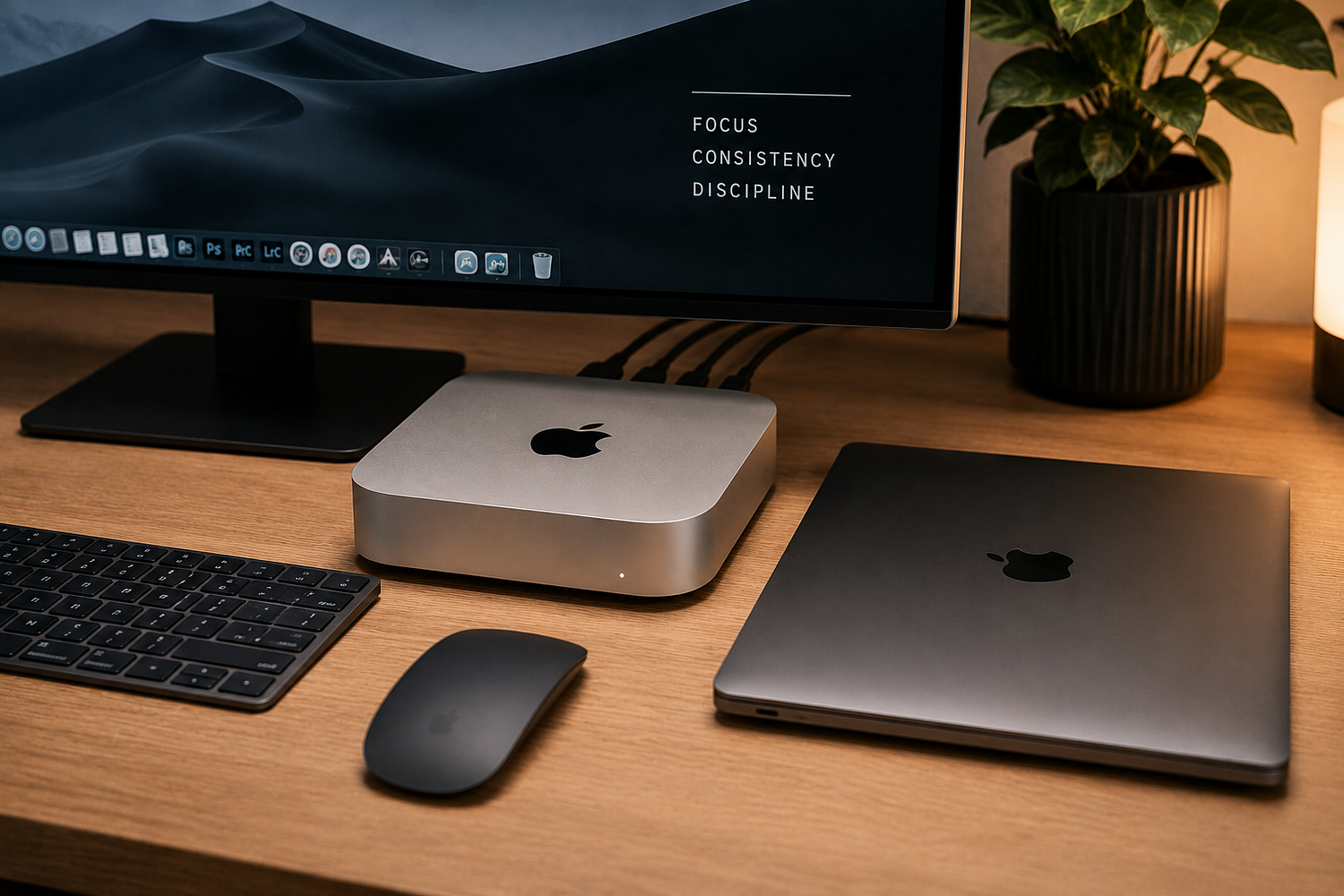
The Price Difference Stops Making Sense Fast
Lets say someone wants solid Apple setup in 2026 for editing videos, coding, design work, college projects, startup work, or general productivity.
A decent MacBook setup gets expensive very quickly.
You start with base model. Then storage upgrade happens. Maybe RAM upgrade too because Apple still charges heavily for memory upgrades. Then maybe external monitor later because laptop screens feel cramped during long work sessions.
Suddenly budget explodes.
Meanwhile the Mac Mini quietly sits there costing much less while offering surprisingly similar real-world performance for many people.
That difference becomes even harder to ignore with newer Apple Silicon chips.
The current Mac Mini models handle:
- 4K video editing
- Xcode builds
- Photoshop workflows
- music production
- multiple browser tabs
- AI tools
- multitasking
without sounding like airplane engine.
And thermals matter more than people admit.
MacBooks are thin machines. Thin machines trap heat faster under heavy loads. Physics itself becomes problem there. Mac Mini has more breathing room inside compact desktop body, so sustained performance often feels more stable during longer sessions.
I noticed this while exporting large Premiere Pro timelines on friends M3 MacBook Air earlier this year. First few minutes felt smooth. Then temperatures climbed and performance slowed slightly during long renders. Not terrible. Still fast honestly. But Mac Mini handled same workload more comfortably because it wasnt fighting thin chassis limitations.
That difference becomes noticeable during daily heavy usage.
And no battery anxiety exists.
That alone changes experience more than expected.
Most People Already Work Like Desktop Users Anyway
This is the part nobody says loudly.
Many laptop users basically turned their machines into permanent desktops.
Walk into startup office, college hostel, editing studio, or even many remote work homes now. What do you see?
Closed laptop connected to monitor.
External keyboard.
Mouse.
Desk lamp.
Cooling stand.
Dongles everywhere.
The laptop barely moves.
So people end up paying premium prices for screen, battery, keyboard, trackpad, webcam, and portability features they use maybe twice per month.
At that point Mac Mini starts looking smarter financially.
One software developer from Bengaluru posted his desk setup on Reddit in March 2026 after switching from MacBook Pro to Mac Mini plus Studio Display. His reasoning was simple. He realized his laptop stayed docked 95 percent of the time anyway. Instead of paying repeatedly for battery degradation and portability, he invested once into permanent desk setup.
Makes sense honestly.
And desktop setups feel better for long work sessions too.
Larger monitor changes everything.
People underestimate how much screen size affects focus and comfort. Working eight hours daily on cramped laptop display gets tiring after some time. Neck strain increases. Window management becomes annoying. Multi tasking feels messy.
Mac Mini pushes users toward proper workstation setup naturally.
Apple Silicon Changed The Whole Desktop Conversation
Earlier Mac Minis felt niche sometimes.
Useful, yes. But not exciting.
Apple Silicon completely changed that.
Once Apple started putting M-series chips inside smaller machines, performance-per-watt became kind of absurd. Suddenly tiny desktop boxes started outperforming much larger systems while staying quiet and cool.
The current generation Mac Mini barely takes desk space but can handle workloads that would have sounded unrealistic for such small machine five years ago.
Video creators noticed this fast.
So did developers.
And honestly students started noticing too because MacBook prices kept climbing.
A computer science student from Chennai posted on X recently saying he bought Mac Mini instead of MacBook and used remaining budget for 27-inch monitor plus mechanical keyboard. His whole setup still cost less than upgraded MacBook Pro.
That tradeoff looks smarter for many people.
Especially now because cloud storage, remote work, and synced ecosystems reduced importance of carrying one device everywhere.
People switch between devices more naturally now.
Phone for quick tasks.
Tablet for travel.
Desktop for deep work.
Mac Mini fits perfectly into that pattern.
The MacBook Lifestyle Marketing Is Very Strong
Apple deserves credit here honestly.
Their marketing around laptops is extremely effective.
Every commercial shows somebody editing video near beach, working from train, building startup from rooftop cafe, or replying to emails while traveling through airport.
Looks cool obviously.
But many people actually work in same room every day.
That disconnect matters.
Not saying portability is useless. Far from it. But tech marketing sometimes sells aspirational behavior more than real behavior.
A lot of users buy MacBooks because they like idea of mobility even if their computer rarely leaves desk.
And once you already own good phone and maybe tablet, laptop portability starts overlapping with other devices.
I realized this after watching my own usage pattern for few weeks. Most serious work happened at desk anyway. The laptop became expensive stationary computer with battery attached.
That feels slightly wasteful after noticing it.
Mac Mini Setups Age Better In Some Ways
This part gets ignored often.
Desktop style setups usually feel easier to maintain long term.
Monitor stays.
Keyboard stays.
Speakers stay.
You upgrade only main computer box later if needed.
With laptops, entire system ages together.
Battery weakens. Keyboard wears down. Ports change. Heat affects internal components over years. One damaged screen can become expensive repair.
Mac Mini avoids many of those issues because accessories stay separate.
And desk customization becomes much more flexible.
Some people build minimalist setups. Others create dual-monitor programming stations. Some connect ultrawide displays for editing workflows. The Mac Mini adapts easily.
Actually, the tiny size helps a lot too.
People expect desktops to be bulky towers still, but modern Mac Mini almost disappears into setup visually. Some users mount it behind monitor completely.
The whole thing feels clean.
There Is One Thing MacBooks Still Do Better
Convenience.
That matters more than specs sometimes.
MacBooks are self contained systems.
Open lid. Start working.
No need separate monitor, webcam, speakers, keyboard, or desk space. For students constantly moving between classes or people traveling weekly, that simplicity matters a lot.
And MacBook battery life with Apple Silicon remains kind of insane honestly.
The newer models easily survive long workdays.
Coffee shop culture exists for reason too. Some people genuinely focus better outside home setups.
So this is not one of those dramatic “desktop beats laptop forever” arguments.
Its more about mismatch.
A growing number of users live desktop-style workflows while still buying laptops automatically.
That automatic decision feels outdated now.
AI Workloads And Local Processing Matter More In 2026
This is another reason Mac Mini suddenly looks attractive.
AI tools are becoming normal workflow now.
Local transcription.
Image generation.
Coding assistants.
Offline models.
Video upscaling.
Developers and creators increasingly run heavier tasks locally instead of fully depending on cloud services.
And sustained performance matters there.
Thermals matter.
RAM matters.
Port selection matters.
Mac Mini handles this surprisingly well because desktop form factor gives slightly more stability during longer heavy sessions.
Some developers already use clusters of Mac Minis for testing and AI experimentation because power efficiency is so good.
A small startup in Hyderabad shared photos last month showing multiple Mac Minis stacked together for local development infrastructure. Five years ago that would have looked strange. Now it feels normal.
Apple probably benefits from this shift more than expected.
Because Mac Mini quietly became gateway into serious Apple computing without extreme pricing.
The Upgrade Pricing Still Hurts Though
Lets be honest here.
Apple storage and RAM upgrades remain painful.
The base Mac Mini pricing looks attractive initially. Then upgrade costs appear and suddenly things become less comfortable.
256GB storage in 2026 still feels weird for professional workflows.
Most users probably need external SSD eventually.
Thankfully external SSD setups became much faster and cleaner now. Thunderbolt speeds help a lot there. But still, Apples internal upgrade pricing continues frustrating many buyers.
And repairability remains limited.
This is one area where traditional desktop PCs still win easily. Upgrading RAM or storage later inside custom PC setups feels much simpler and cheaper.
Some users will always prefer that flexibility.
Fair enough.
Students Might Actually Benefit Most From Mac Mini
This sounds counterintuitive initially because students usually buy laptops.
But think about modern student life now.
Many already use iPads for notes.
Phones handle communication.
College libraries provide internet everywhere.
And hostels often become semi-permanent workspaces anyway.
A Mac Mini plus decent monitor setup can create much better study environment for coding, editing, engineering work, or design courses compared to tiny laptop screens.
One engineering student from Pune shared his setup video recently where he paired Mac Mini with budget 2K monitor and old iPad for portability. The setup looked far more comfortable than using single MacBook all day.
And financially it made more sense too.
Of course students constantly moving between cities or campuses still benefit from laptops more.
But fixed-location students? Different story.
The Mac Mini Feels Less Disposable
This is hard to explain properly, but desktop setups feel more intentional somehow.
Laptops often become temporary lifestyle gadgets.
Buy.
Use for few years.
Replace whole thing.
Desktop style setups evolve slower.
People keep monitors for long time. Same speakers. Same desk. Same keyboard. They slowly improve workspace instead of replacing everything together.
The Mac Mini fits that philosophy nicely.
Especially now when more people care about focused workspaces and less digital clutter.
Minimal desk setups exploded on YouTube over last two years for reason. People got tired of chaotic work environments.
Tiny desktop computers feel surprisingly calming there.
And yes, that sounds slightly dramatic for small aluminum box, but once setup feels clean and quiet every day, you notice difference.
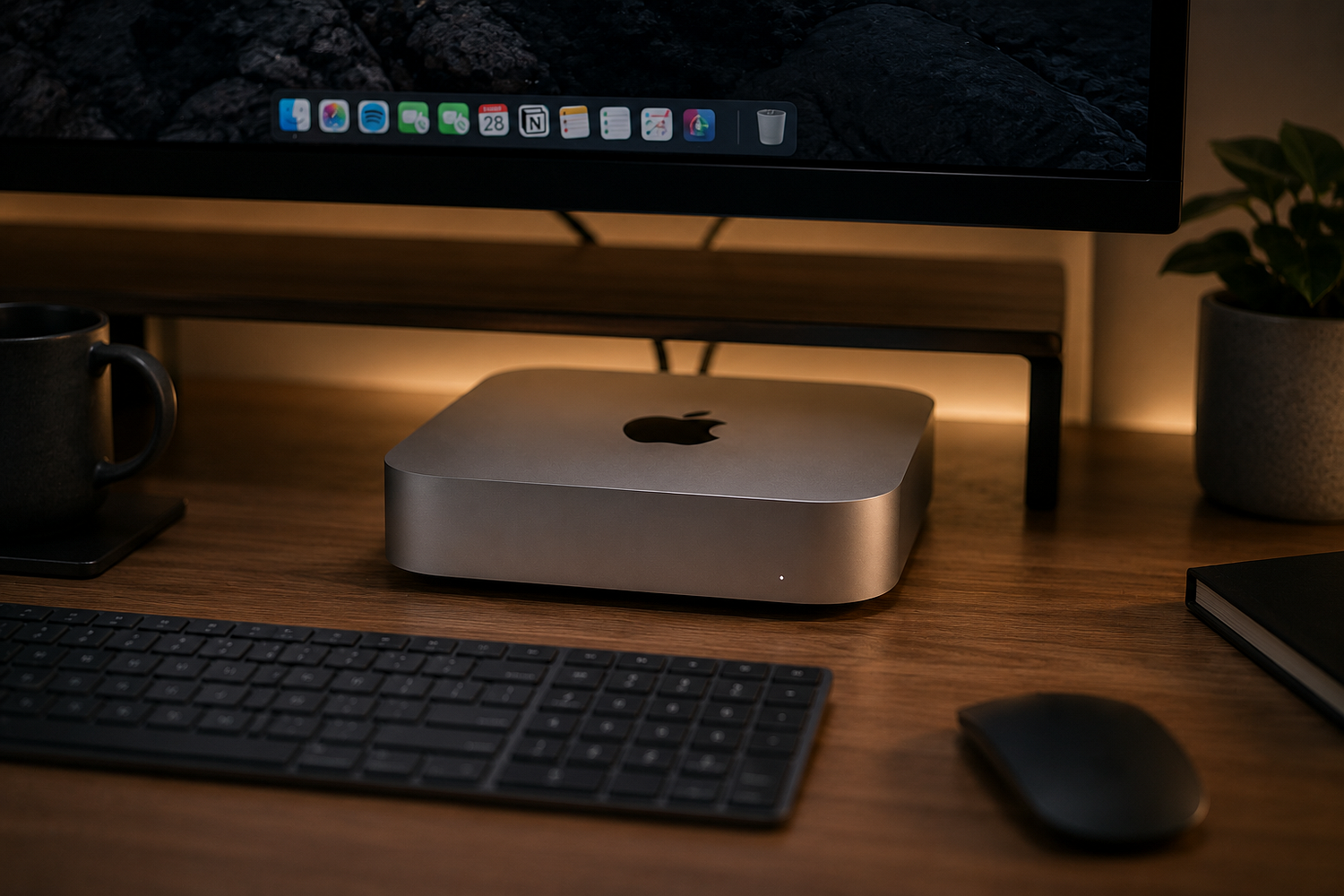
The Biggest Reason Is Actually Simple
Most people do not need laptop.
They need computer.
Those are different things now.
For years laptops became default answer because portability felt universally useful. But ecosystems changed. Workflows changed. Devices changed.
And the Mac Mini quietly benefits from all those shifts.
Its cheaper than many MacBooks.
Runs cool.
Stays quiet.
Handles serious work.
Fits almost anywhere.
Works beautifully with larger monitors.
And for users already spending most of their day at desk, it probably makes more sense financially too.
MacBooks will always remain more popular because portability sells emotionally. People like idea of carrying powerful computer everywhere.
But practical buying decisions and emotional buying decisions are not always same thing.
That gap is exactly why the Mac Mini feels smarter in 2026.